When Church and School Align:
Jeremy Hall
VP of Education
Michigan Conference of Seventh-day Adventists
R
ecently, during a Michigan Conference Board of Education meeting, I had the opportunity to hear something that was more than a report—it was a reminder of what Adventist education is meant to be.
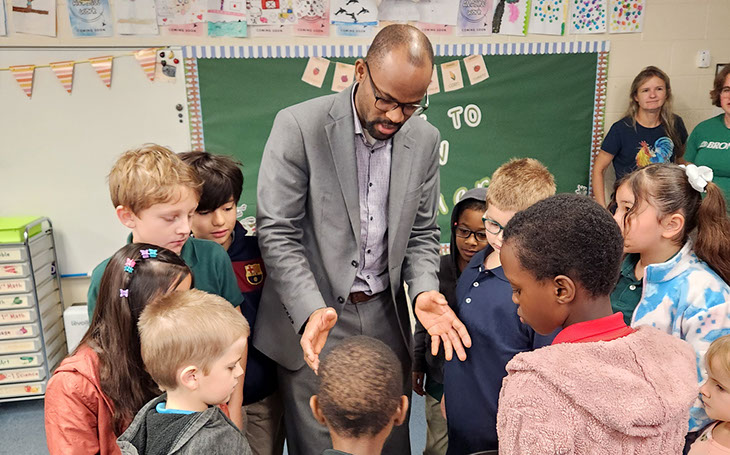
I asked Tami Draves, principal of Kalamazoo Junior Academy, to share what has been happening in Kalamazoo. What she described was not just progress—it was restoration.
A number of years ago, Kalamazoo Junior Academy lost its junior academy status due to low enrollment. That kind of loss can often signal a slow decline. But in this case, the opposite occurred. The church continued to support the school. Stability began to return. And when Tami stepped into leadership, she brought with her a clear and focused vision—not just to maintain the school, but to rebuild it.
That vision has now been realized. For the 2025–2026 school year, Kalamazoo Junior Academy has regained its junior academy status.
But what stood out most was not the structural milestone—it was the spiritual one.
This is the center of everything. Ellen White writes:
“To restore in man the image of his Maker, to bring him back to the perfection in which he was created…—this was to be the work of redemption. This is the object of education, the great object of life.” (Education, p. 15)
That is the mission. Every classroom, every interaction, every moment becomes an opportunity to point students to Christ.
Excellence is not optional—it is essential. The model is found in Daniel:
“Then the presidents and princes sought to find occasion against Daniel… but they could find none occasion nor fault; forasmuch as he was faithful” (Daniel 6:4, KJV).
When there is integrity and excellence in the work, it strengthens the credibility of the witness. Spiritual influence is undermined when professional standards are compromised.
This is where many systems struggle. We often assume that understanding will naturally lead to engagement. But Kalamazoo demonstrated something different: engagement produces ownership.
Ellen White captures the potential of this clearly:
“With such an army of workers as our youth, rightly trained, might furnish, how soon the message of a crucified, risen, and soon-coming Saviour might be carried to the whole world!” (Education, p. 271)
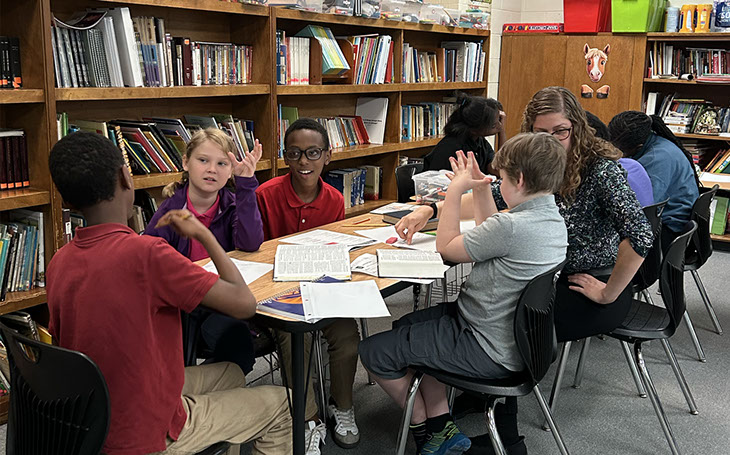
The phrase rightly trained is decisive. Training is not passive—it requires participation. When students preach, lead, and serve, they are not just learning doctrine; they are internalizing mission.
What makes this even more compelling is the broader context. Kalamazoo is home to the Kalamazoo Promise, which provides public school students with access to funded college education. From a purely financial standpoint, that is a significant incentive for families to choose public education.
And yet, Kalamazoo Junior Academy is growing.
That should cause us to think carefully. It suggests that the value of Adventist education is not primarily economic—it is transformational. Families are recognizing that while opportunities matter, identity matters more. Knowing Christ, understanding purpose, and being equipped for service carry a weight that cannot be replicated by financial incentives alone.
There is also a broader implication.
Many of our churches are aging. Many are experiencing decline. At the same time, our young people are full of energy, ability, and untapped potential. If we fail to engage them, we are not just losing participation—we are losing continuity of mission.
Kalamazoo offers a different path.
When students are given real responsibility, when they are trusted with meaningful roles, and when they are supported by aligned leadership, they rise to the occasion. More importantly, they begin to see themselves as part of the church—not as observers, but as participants.
And that changes everything.
Ultimately, what we saw in Kalamazoo is a clear reminder of what is possible. When the church, the school, and their leadership are aligned around a shared spiritual mission, the results are not incremental—they are transformative.
This is not a new model. It is the original one.
And it still works.
First, bringing students to the foot of the cross.
Second, quality at all levels.
Third, training students in the message and mission of the Seventh-day Adventist Church.
A Living Model of Adventist Education in Kalamazoo
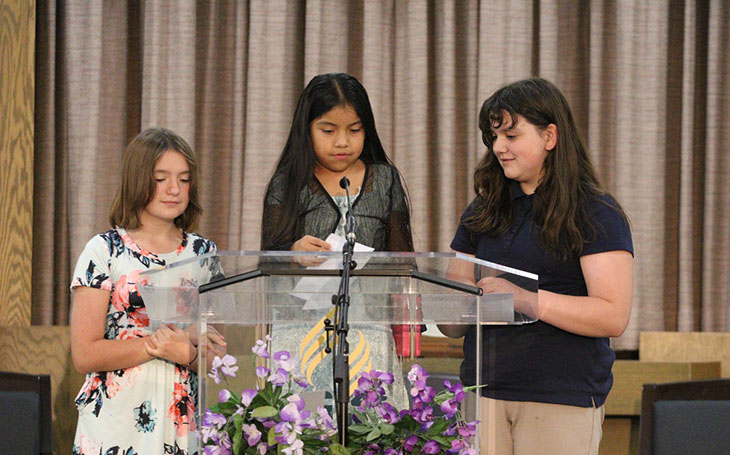
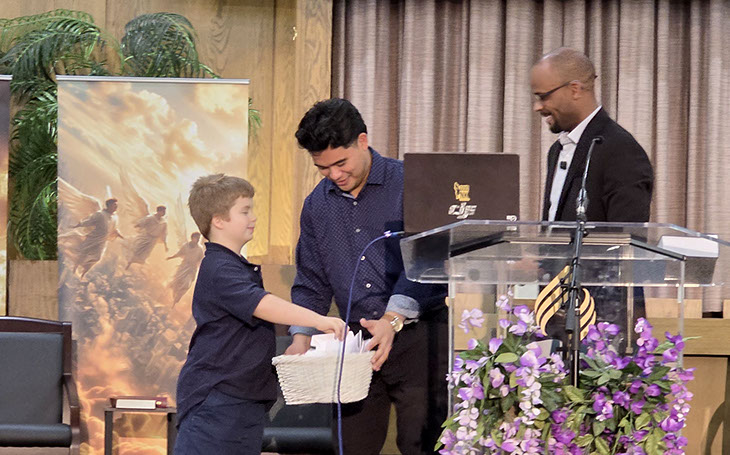
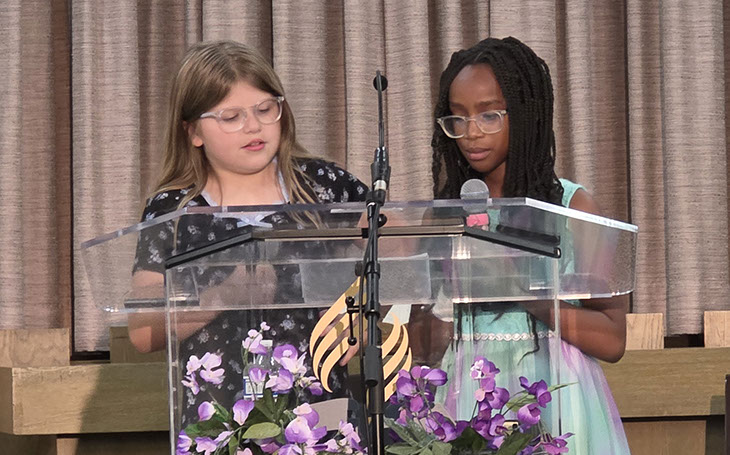
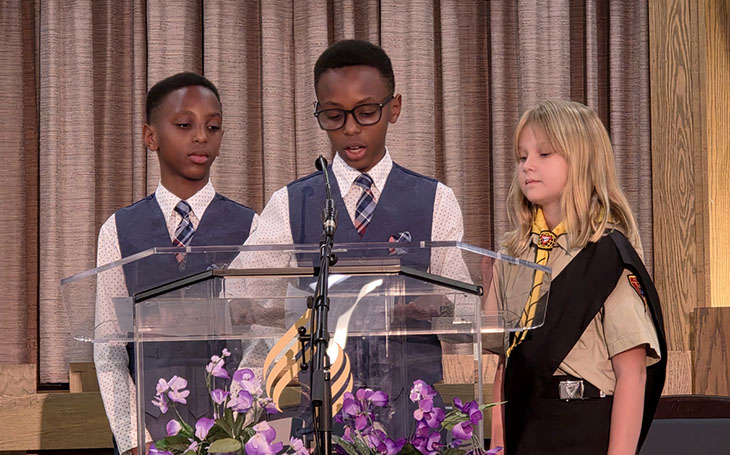
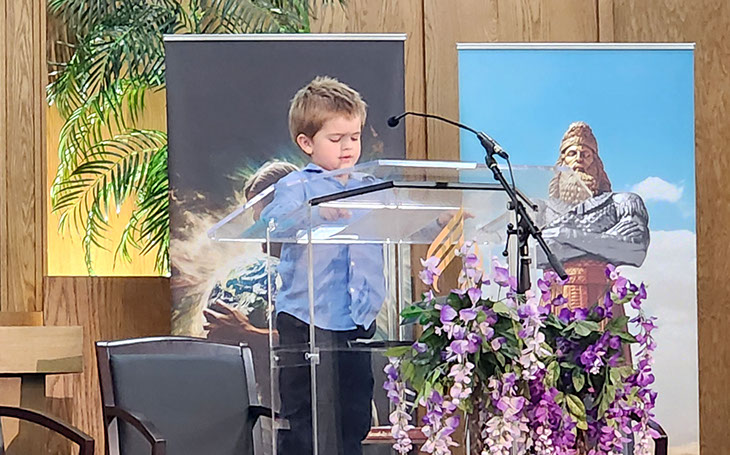
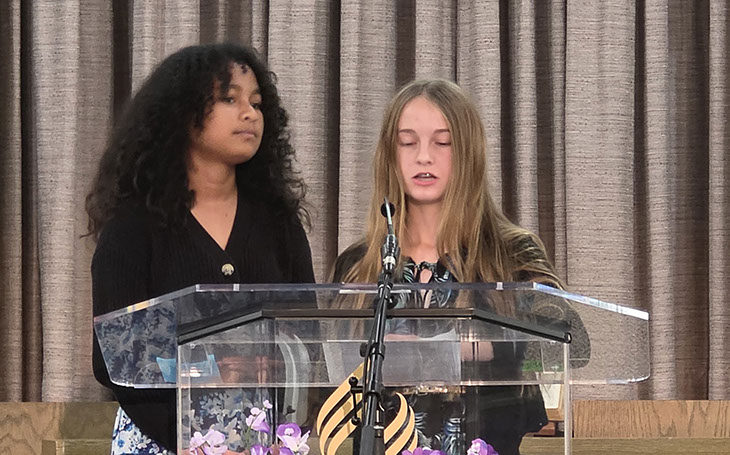
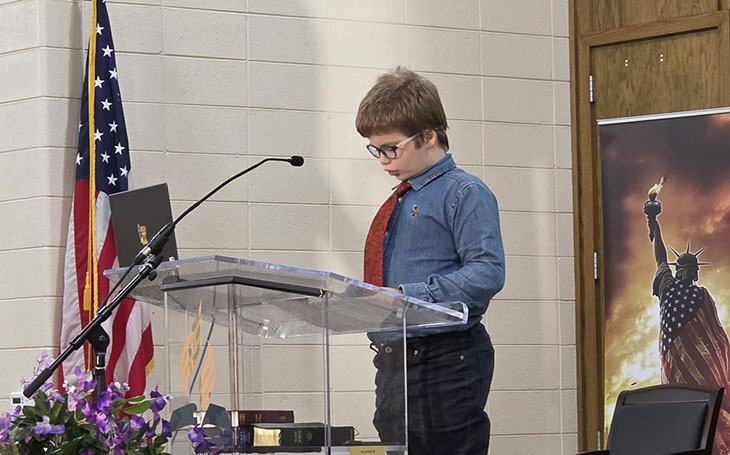
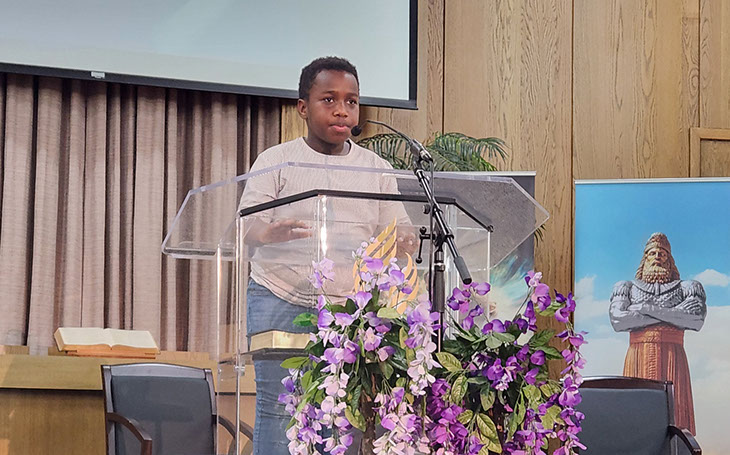
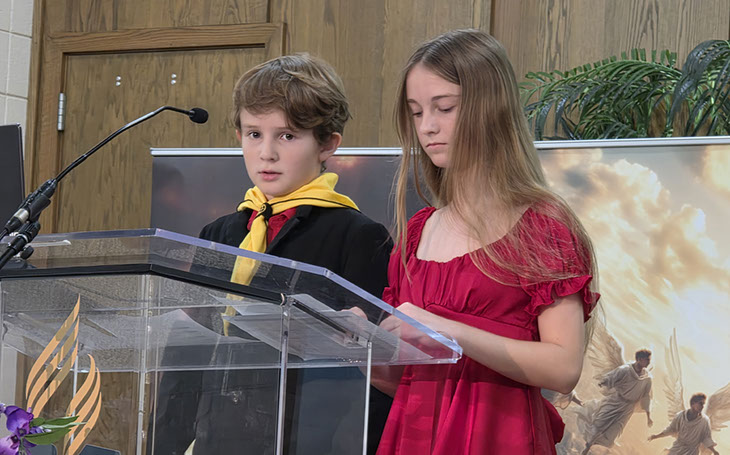
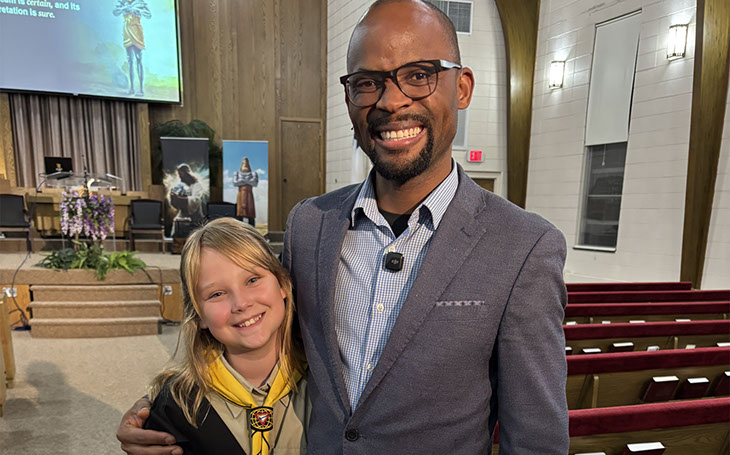
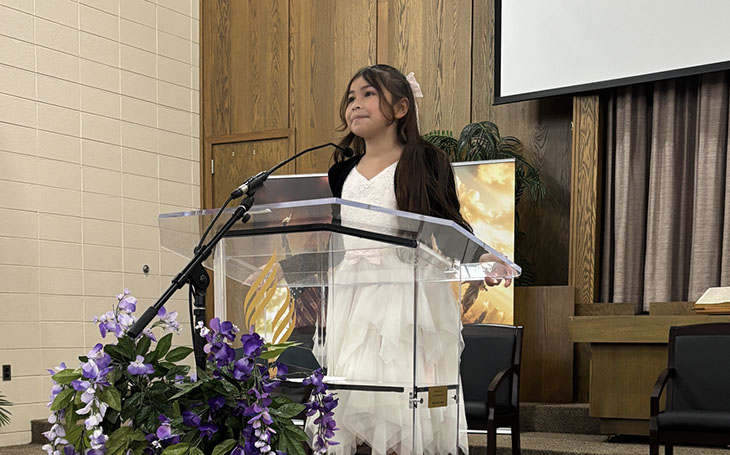
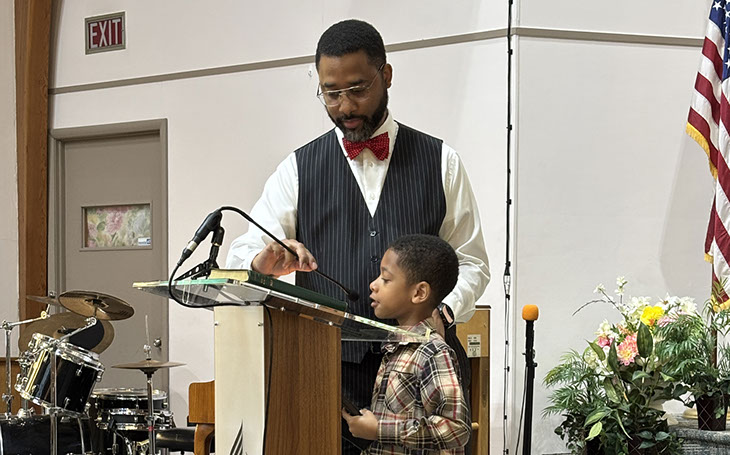
With the arrival of Jermaine Gayle as pastor, there was an immediate openness to something that, frankly, does not always happen naturally: students being fully integrated into the life and mission of the church. During the 2025 evangelistic series, students were not sitting in the pews—they were leading. They were preaching, participating, and actively engaged in every aspect of the meetings.
And it mattered.
It mattered to the church, who saw young people not as future participants, but as present contributors. It mattered to the students, who experienced what it means to live their faith, not just learn about it. And it mattered to the school, because it reinforced the very reason it exists.
Scripture speaks directly to this kind of intentional formation:
“Train up a child in the way he should go: and when he is old, he will not depart from it” (Proverbs 22:6, KJV).
What we witnessed in Kalamazoo was not theoretical application—it was lived practice.
Ellen White makes a foundational statement that frames this clearly:
“The work of education and the work of redemption are one.” (Education, p. 30)
That is not a poetic idea. It is a defining principle. If education and redemption are inseparable, then our schools must be more than academic institutions—they must be environments where students are drawn into a saving relationship with Christ and equipped to serve Him.
This is where alignment becomes critical.
When a principal carries a burden for the spiritual mission of the school, and a pastor is intentional about creating space for students to participate in ministry, something begins to shift. The school and the church stop functioning as parallel entities and begin operating as a unified system.
And when that happens, outcomes change.
Within the Michigan Conference Education Department, we have attempted to capture this philosophy in what we call the “Key Three.” These are not new ideas—they are practical expressions of the educational vision outlined in Education.